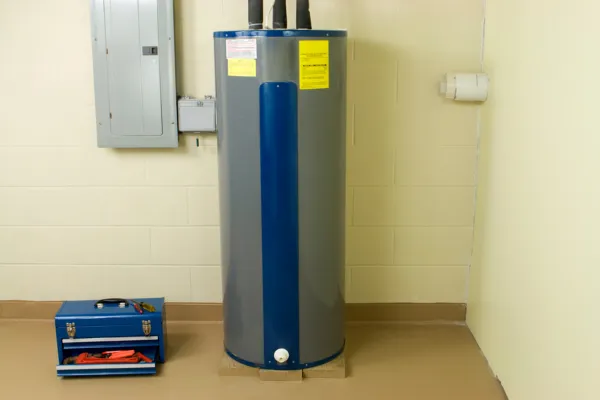
How Hard Water is Quietly Killing Your Water Heater and Appliances
In the Dallas-Fort Worth area, we are known for many things: great BBQ, championship sports, and unfortunately, some of the hardest water in Texas. While you might notice the annoying spots on your glassware or the way your soap doesn’t quite lather, there is a much more expensive problem lurking behind your walls and inside your utility closet.
Hard water isn't just a nuisance; it’s a silent mechanical assassin. Over time, the high concentrations of calcium and magnesium in DFW water crystallize into a rock-hard substance known as scale. This scale builds up inside your most expensive appliances, slowly choking them until they fail prematurely.
Here is how hard water is quietly sabotaging your home and why a high-quality water softening system is the best insurance policy you can buy for your appliances.
The Main Target: Your Water Heater
Your water heater is the hardest-working appliance in your home, and it is also the most vulnerable to mineral damage. When hard water is heated, the calcium and magnesium minerals "fall out" of the liquid and solidify.
The "Tea Kettle" Effect
In a traditional tank water heater, these minerals settle at the bottom, creating a thick layer of sediment. This acts as a literal barrier between the heating element and the water.
Wasted Energy: Your heater has to work twice as hard to heat the water through a layer of rock, skyrocketing your electric or gas bills.
Overheating: Because the bottom of the tank gets much hotter than intended, the metal can fatigue and eventually leak.
The "Popping" Sound: If you hear a rumbling or popping sound from your heater, that’s steam bubbles struggling to escape through the layers of sediment. It’s a sign your heater is on its last legs.
Tankless Water Heaters
If you’ve upgraded to a tankless "on-demand" system, you aren't safe. In fact, tankless heaters are even more sensitive. The narrow heat exchanger paths can scale up quickly, leading to "Error Codes" and total system shutdowns that require expensive professional descaling.
The Dishwasher and Washing Machine
Your cleaning appliances rely on a delicate balance of water flow and chemical reaction with detergents. Hard water disrupts both.
The Dishwasher
Have you noticed your dishes coming out cloudy or feeling "etched"? That’s the minerals. Internally, the scale clogs the tiny holes in the spray arms and coats the heating element. This leads to longer cycle times and colder water, which means your dishes aren't actually being sanitized.
The Washing Machine
Hard water reacts with laundry detergent to create "curd" instead of suds. This curd gets trapped in the fibers of your clothes (making them stiff and gray) and builds up in the pump and drainage lines of the machine. Studies have shown that washing machines running on soft water can last up to 10 years longer than those running on hard water.
The Financial Impact: A Comparison
The cost of hard water isn't just about the repair bill; it's about efficiency and lifespan. Here is how the numbers break down for the average DFW homeowner:
Other Hidden Victims
Ice Makers: Scale can clog the small water lines in your refrigerator, leading to smaller cubes or a total failure of the ice-making unit.
Coffee Makers: Ever wonder why your high-end espresso machine died after a year? Hard water scale is the #1 killer of small kitchen appliances.
Showerheads and Faucets: The "green" or "white" crust you see is also building up inside the cartridge of your faucets, eventually causing leaks and drips.
The Solution: Stop the Minerals at the Source
You could spend your weekends pouring vinegar down your drains and descaling your appliances, or you could stop the problem before it enters your home.
A whole-home water softening system removes the calcium and magnesium ions through a process called ion exchange. By the time the water reaches your water heater or your dishwasher, it is "chemically soft," meaning it cannot form scale.
Benefits of Switching to Soft Water:
Immediate Energy Savings: Your water heater will run more efficiently, lowering your monthly bills.
Appliance Longevity: You can potentially double the lifespan of your major appliances.
Less Waste: You’ll use significantly less soap, shampoo, and detergent to get better results.
Protect Your Investment Today
Your home is likely your largest investment, and your appliances are a significant part of that value. Don't let the "quiet killer" of hard water drain your bank account through high energy bills and premature replacements.
At DFW Water Softeners, we provide custom-tailored solutions for North Texas homes. We know exactly what’s in the water here, and we know exactly how to fix it.
Ready to save your appliances and your money? Click here to get a free quote on a new water system today!
