Why Does My Water Smell Like Chlorine? What DFW Homeowners Should Know
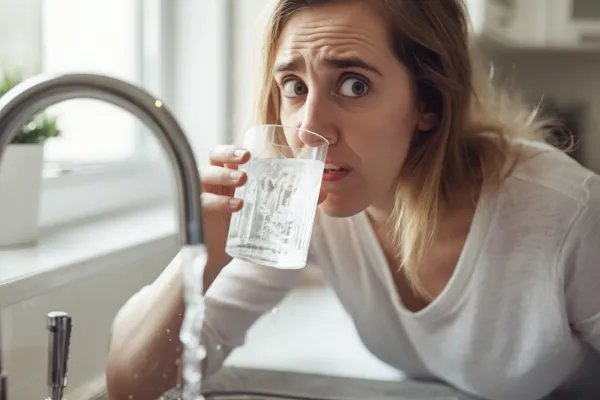
You fill a glass from the kitchen tap and catch a smell that reminds you of a swimming pool. Is something wrong with your water? For many Dallas-Fort Worth households on municipal water, the answer starts with disinfection. Utilities add chlorine or chloramine to control harmful microbes as water moves through the distribution system. A noticeable odor can be unpleasant without automatically meaning the water is unsafe.
Still, you do not have to guess what you are smelling or live with water you dislike. The right first step depends on whether the odor is coming from every tap, only hot water, or only one fixture.
Why chlorine is in city water
Disinfection helps protect drinking water from bacteria and other microorganisms. Water providers monitor disinfectant levels under drinking water rules, but the taste and smell people notice can vary from home to home. A neighbor might barely notice a scent that seems strong to you.
Your supply, the distance water traveled, changes in utility operations, and conditions in your household plumbing can all affect what reaches the faucet. The specific disinfectant also matters. Some utilities use free chlorine; others use chloramine, a compound made with chlorine and ammonia. Ask your utility which it uses before choosing a filter, because a device that improves chlorine taste may not perform the same way with chloramine.
For a starting point, find your water provider's annual Consumer Confidence Report. It lists the water source and regulated substances measured by that provider. Your water provider can also tell you about a sudden change or planned work. If you have a private well, a chlorine-like smell has a different context; contact a qualified water professional rather than assuming city-water disinfection.
Is the smell coming from the water or the drain?
Before buying equipment, try a simple comparison. Fill a clean glass with cold water, carry it away from the sink, and smell it again. If the smell fades when you leave the sink, the drain or disposal may be the source. If it follows the glass, check cold water at another tap.
Then narrow down the pattern:
Every cold tap: Ask the utility whether its disinfectant or operations have changed.
Only one faucet: Clean the aerator and inspect that fixture. A localized plumbing issue may be involved.
Only hot water: Have the water heater and hot-water plumbing checked. Do not assume a hot-water odor is chlorine.
Only after the house sat unused: Run the cold tap briefly and compare the smell again.
Sudden, strong, or unusual odor: Contact the utility, especially if the water also looks different or neighbors report the same change.
Avoid trying to identify a substance by smell alone. Sulfur, earthy odors, plumbing materials, and drain gases call for different responses. If your water provider issues an advisory, follow its instructions first.
Will a water softener remove chlorine?
A standard ion-exchange water softener addresses hardness minerals such as calcium and magnesium. It is the right tool for scale on faucets and water heaters, but it is not automatically a chlorine filter. This distinction matters if your home has both hard water and a chlorine taste.
For odor and taste, ask about a filter with a demonstrated reduction claim for the disinfectant in your water. Carbon filtration is commonly used for chlorine, while chloramine treatment requires careful system selection and sizing. A filter for the whole house can address water used for bathing and laundry as well as the kitchen. An under-sink drinking-water system focuses on the tap you use for cooking and drinking.
DFW Water Softeners offers whole house filtration, reverse osmosis drinking-water systems, and water softeners. A combination may make sense if testing shows both a taste issue and significant hardness. It depends on the water, household flow requirements, and what you want to improve.
What should you ask before choosing a filter?
Start with your actual water source. City water in Flower Mound may not match the water delivered to a home in Fort Worth, Denton, or another DFW suburb. Even within a service area, a household's plumbing can change the experience at the tap.
Ask these practical questions:
Does my provider use chlorine or chloramine?
Is my main concern drinking-water taste, showers, or every tap?
What specific reduction claims are documented for the proposed device?
What flow rate will my household need when multiple fixtures run?
How often will filters need service, and what will replacement cost?
Keep the performance sheet for the system you choose. No generic filter solves every water concern, and neglected filters can lose effectiveness. If you also have cloudy shower glass or recurring white scale, request a hardness measurement; that is a separate issue from chlorine.
Does letting water sit remove the smell?
For free chlorine, refrigerating a pitcher of water may make the taste less noticeable. That is a small kitchen convenience, not a treatment plan for the whole home or a response to an official water advisory. Chloramine behaves differently, so do not assume that letting water sit will fix its taste. A refrigerator filter may also have limited claims. Check its product sheet and replacement schedule before relying on it.
If the smell returns immediately after a filter change, write down when and where you notice it. Does it happen first thing in the morning, after you turn on hot water, or at every cold tap? Those details make a conversation with your utility or a water specialist far more useful. They can help separate normal disinfection from a fixture or plumbing issue.
Get a clear answer about your water
A pool-like smell deserves a closer look, especially when it is new. Begin with your utility's report, compare water at different taps, and decide which part of your home needs improvement. For ordinary chlorine taste and odor, there are filtration options that can make water more pleasant to use without treating every symptom as an emergency.
Ready to find out what is happening at your tap? Schedule a free water quality test with DFW Water Softeners. Their team can check basic measures such as chlorine and hardness, discuss your water provider's disinfectant, and recommend a system suited to your home.
